
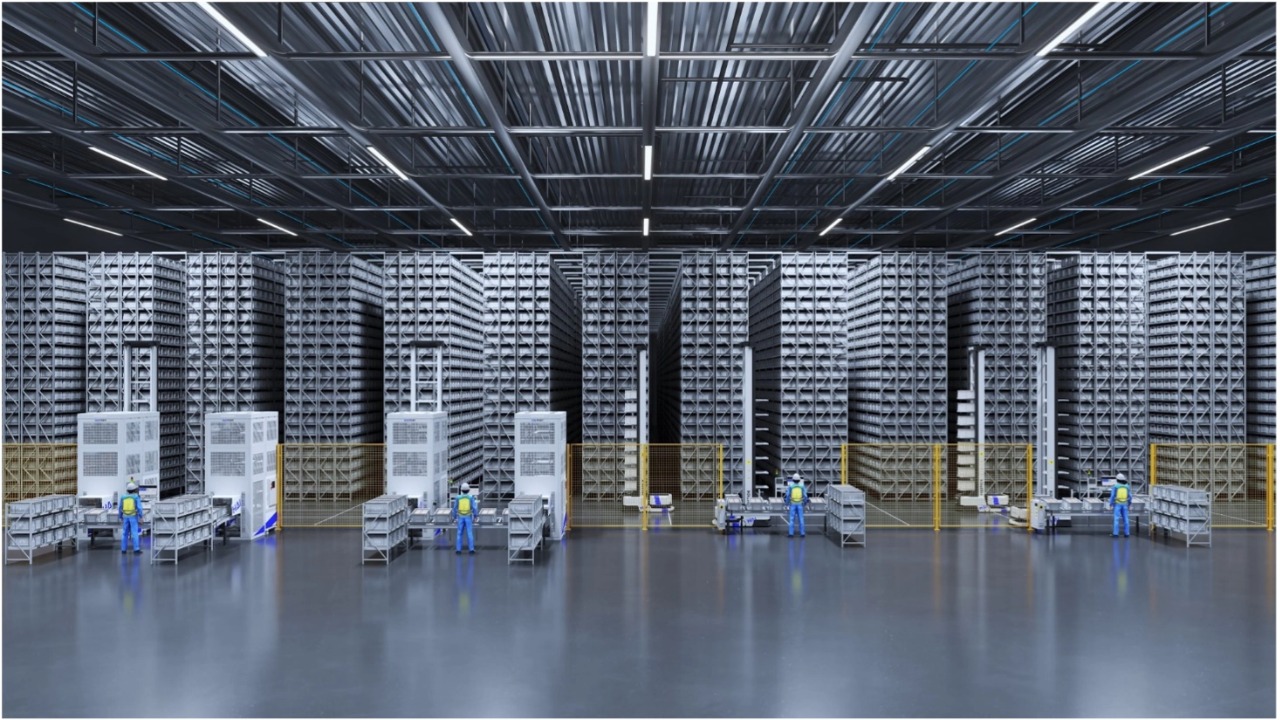
A scalable warehouse grows without straining resources or sacrificing service quality. Managers who plan for expansion early avoid the disruptions that often occur when order volume climbs faster than capacity. Many teams begin this planning with an operational assessment that highlights both current constraints and future demands. With that foundation, selecting the right automation equipment becomes a strategic decision rather than a hurried reaction.
Establishing the Right Foundation
Scalability starts with understanding how product moves through the facility. Every warehouse has high stress points that influence throughput more than others. These usually include receiving, putaway, picking, and packing. Equipment choices should support these zones in a way that adapts as order profiles change.
Conveyance is often the first major step toward scalable automation. Modern conveyor systems provide steady product flow and reduce unnecessary travel. They also allow managers to build predictable throughput, which becomes critical when order peaks intensify. Even simple conveyor additions can stabilize movement, freeing workers to focus on tasks that require judgment or precision.
Racking and storage systems also play a central role. High density storage gives managers room to grow without seeking new square footage. Pallet shuttles, dynamic flow lanes, and mobile racking support this expansion by increasing pick face availability. These systems create flexibility, allowing picking and replenishment to adjust as SKU counts rise.
Equipment That Supports Expanding Order Volume
One of the most valuable investments for scalable operations is goods to person technology. As volume grows, walking becomes one of the most costly sources of lost time. Automated systems that deliver items to the picker reduce fatigue and increase consistency. They also make it easier to train new workers because the system guides both sequencing and verification.
Autonomous mobile robots have become an attractive option for growing facilities. These units adapt to layout changes and can scale quickly by adding more robots as volume increases. They excel in environments with frequent order shifts or promotional spikes. Their flexibility reduces reliance on fixed paths and allows managers to adjust workflows without major construction.
Sortation systems provide similar value when order counts reach higher levels. They support batch picking and send items to the correct pack lanes automatically. This reduces the need for workers to manually route product, lowering error rates and stabilizing throughput. Modern sorters come in various sizes and speeds, which helps teams choose solutions that match current demand while leaving room for future expansion.
Managing Replenishment and Inventory Control
As warehouses grow, replenishment often becomes a hidden constraint. Without steady resupply of pick faces, even strong picking systems struggle to maintain performance. Automation in this area can be as straightforward as guided forklift systems or as advanced as automated storage and retrieval equipment.
ASRS solutions provide strong inventory control and steady access to product. These systems deliver pallets, totes, or cases directly to workstations, which removes the guesswork from replenishment. They also improve inventory accuracy because the system tracks every movement.
Cycle counting tools and automated scanning stations help maintain stock integrity. As volume scales, even small inventory inaccuracies cause ripple effects through the operation. Automated verification removes many of the manual steps that lead to errors, supporting a cleaner flow of goods.
Planning for Workforce Growth
Automation should support workers rather than replace them. A scalable warehouse attracts and retains employees by reducing physical strain and simplifying training. Equipment such as lift assists, ergonomic pack benches, and guided picking tools create an environment where workers can keep pace without burnout.
As operations expand, cross training becomes easier when processes are standardized. Automation introduces consistency that helps new hires learn quickly. Many managers point to this as one of the strongest advantages during growth phases because turnover does not slow production as severely.
Data Insights That Guide Future Expansion
Every piece of modern automation generates performance data. Managers who treat this information as a planning tool strengthen their scaling strategy. Metrics from conveyors, robots, sorters, and ASRS systems reveal where congestion forms and where capacity still remains. This insight supports decisions about labor allocation, slotting plans, and storage adjustments.
The most scalable operations maintain steady review cycles. They track throughput by zone, monitor accuracy, and study equipment utilization. These reviews help identify early signs of strain so investments can be timed appropriately. This approach prevents the panicked upgrades that often occur when order volume outpaces the warehouse’s ability to respond.
Avoiding Barriers to Scalability
Many warehouses stall their growth because they invest in equipment that solves immediate pain rather than future needs. Short term fixes often create long term limitations. For example, placing conveyor runs without considering future merge points or picking zones can restrict expansion. Overly rigid storage systems can make reconfiguration expensive or time consuming.
To avoid these issues, successful managers design with modularity in mind. They select equipment that can be expanded, reprogrammed, or relocated when demand shifts. They also emphasize clear communication across departments so that engineering, operations, and IT all understand how new tools will interact with existing systems.
Power and network infrastructure also influence scalability. As automation increases, so does the demand for reliable connectivity and adequate electrical supply. Planning these needs early prevents service interruptions during peak periods. It also allows new technologies to be integrated smoothly.
Creating a Scalable Path Forward
A warehouse grows effectively when technology, processes, and workforce development move together. Selecting the right automation equipment is only part of the equation. Managers who maintain structured review cycles, invest in adaptable tools, and support workers through change build facilities that handle expansion with confidence.
Scalability is not defined by how much equipment is installed but by how well that equipment supports increasing demand. By grounding decisions in clear performance needs, planning for adaptability, and staying responsive to data, managers create operations that remain strong even as order volumes rise.
Automation becomes the backbone of this stability. When chosen thoughtfully, it provides both the capacity and the flexibility needed for sustained growth.