
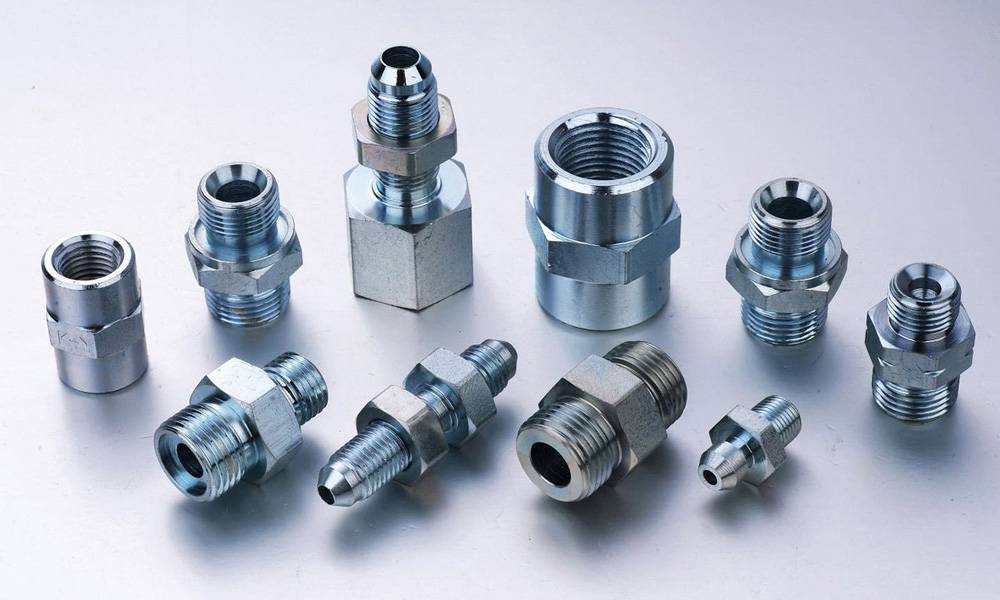
Fittings that connect and disconnect hydraulic lines under pressure reduce hazards. The old-style threaded connection exposes workers to high-pressure fluid. Quick couplers have automatic valves that stop fluid flow the instant the lines come apart. This containment protects workers from injection injuries and hydraulic burns. The simpler hookup process also cuts time spent in dangerous positions near moving machinery.
Automatic valve protection
Spring-loaded poppet valves close by themselves when couplers get disconnected. https://northernhydraulics.net/hydraulics-shop/quick-couplers have these valves built into both halves, so each side seals on its own. This double-valve arrangement stops fluid from escaping either side when they separate. Workers disconnect lines without draining systems first or waiting for pressure to bleed off. The valve mechanism reacts faster than any human could. Even if something accidentally gets disconnected, the valves close immediately. This instant response stops the sudden fluid releases that cause injection injuries. High-pressure hydraulic fluid can punch through skin and cause serious tissue damage inside the body. Automatic valve closure gets rid of this exposure during regular coupling work.
Reduced spillage hazards
Hydraulic fluid on floors and platforms makes things slippery. Threaded connections usually dump several ounces of fluid when you disconnect them. This fluid ends up on equipment surfaces, platforms, and ground where operators walk and work. Quick couplers cut spillage way down. Flat face types reduce fluid loss to just a few drops. Less spillage means fewer people slipping and falling around equipment. Environmental contamination drops too, with less fluid loss:
- Soil contamination from repeated spills gets minimized substantially
- Time spent cleaning up and absorbent material used drops considerably
- Meeting environmental regulations becomes easier through fewer releases
- Equipment holds better resale value without oil soaking into everything
Connection simplification benefits
- Traditional threaded hydraulic connections need wrenches and often put operators in awkward body positions. To reach connection points, workers sometimes go underneath equipment, reach across machinery, or lean into tight spaces. These positions cause musculoskeletal damage over time, such as back injuries and shoulder problems. In heavy torque, wrenches may slip off fittings and cause hand injuries.
- Quick couplers hook up and disconnect by hand without any tools. Push-to-connect or sleeve-operated types need simple, straight motion. Operators finish connections in seconds instead of several minutes. Less time working in hazardous positions means lower injury exposure overall. The simple process often works with just one hand, leaving the other free for holding on or stability.
Pressure containment design
Locking mechanisms in quick couplers stop accidental disconnection under pressure and vibration. Ball detent systems or mechanical locks click into place automatically when you connect them. These retention features resist substantial pulling forces. Equipment vibration, hose movement, and bumping against things won’t knock properly connected couplers loose. Pressure rating compliance means couplers contain system pressures safely:
- Manufacturers test couplers to burst pressures far above working ratings
- Safety factors of 4:1 provide big margins against failure
- Material specs guarantee adequate strength for rated pressures
- Quality control testing checks that each production batch meets standards
Error prevention
Color coding helps operators match the right coupler pairs when changing attachments. Different colours mark different hydraulic functions, like auxiliary circuits or control lines. This visual identification stops cross-connection mistakes that could wreck equipment or create dangerous situations. Getting hydraulic functions mixed up makes the equipment move unexpectedly. Physical incompatibility between different coupler types prevents wrong connections mechanically. Couplers designed for various pressure ranges or flow requirements won’t physically fit together. This forced compatibility protects both equipment and operators from what happens when you hook things up wrong.