
Streaming regional Indian cinema across multiple devices has gotten simpler over the years. The technical side still confuses some viewers, though. tamilyogi.cx movie streaming relies on adaptive technology that adjusts video quality based on your device and internet speed. Streaming sticks, smart TVs, tablets, and smartphones all handle content differently. Smoothness of movie play depends on screen size, processing power, and connection stability. Viewers can choose the ideal setup for their viewing habits and home environment by learning how each device handles streaming.
Mobile phone streaming
Phones are now the main device for many people who watch movies during travel breaks and daily movement. Small screens to large screens, touch controls, horizontal and vertical viewing, and battery-saving features are available on modern smartphones. In addition, downloads over WiFi allow people to watch later without using mobile data, since standard definition consumes less data than high definition. Mobile viewing works best for solo watching. Casting options let users mirror content to larger screens when available, though.
Tablet viewing benefits
Tablets offer a wide variety of screen sizes and portability, and their larger displays enable longer viewing than phones, while remaining lightweight for home and travel use. During continuous playback, tablets have longer battery life and smoother touch interfaces. Navigation through libraries and menus stays quick and intuitive. Many households share tablets among family members. Individual profiles keep watch histories and preferences separate. The mid-size screen suits both individual viewing and small group watching when gathered around a kitchen table or during travel.
Computer and laptop
Desktops and laptops provide the largest screens outside televisions, and web browsers stream directly from websites without app downloads, while computer apps also exist, and keyboard shortcuts help pause, change volume, or skip. Multiple monitors allow a movie on one screen during work on another, and wired internet on desktops gives steadier streaming and reduces buffering. The audio quality of televisions is enhanced beyond what can be achieved with smaller devices. The comfort of watching movies on the couch naturally makes family movie nights TV-centric.
Television screen options
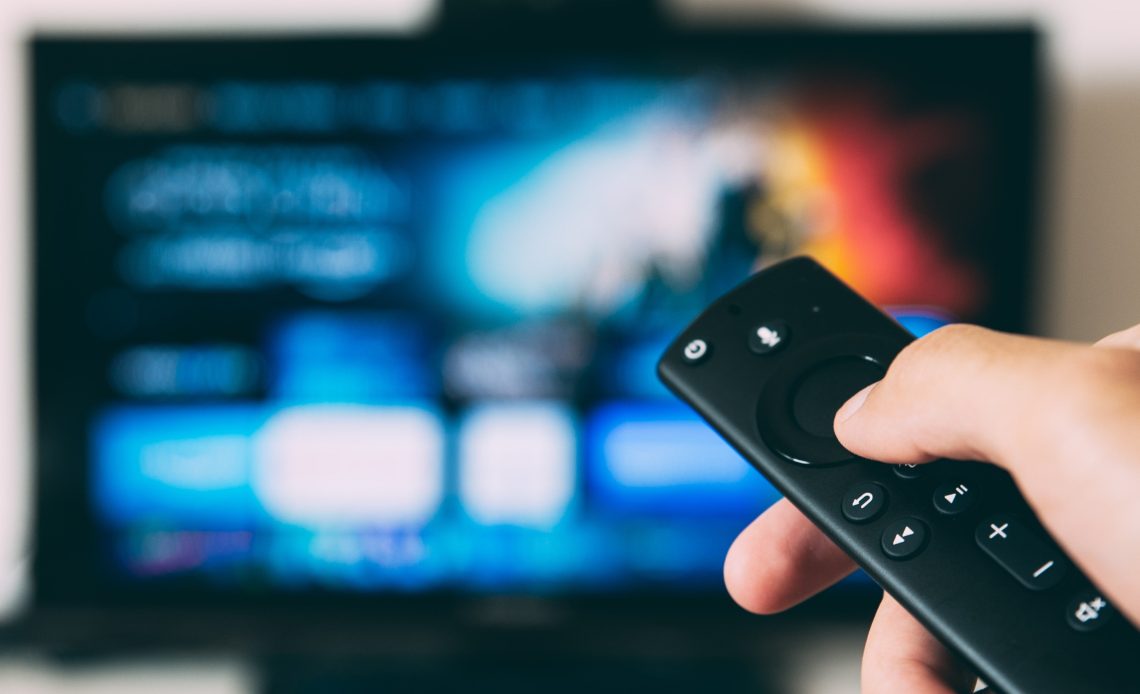
Smart TVs include built-in streaming apps that open directly from the home screen. This allows viewers to start movies and shows without using extra equipment. TV remote controls allow easy operation from anywhere in the room. The screen can be viewed comfortably without having to sit close to it. Home theatre experiences can be enhanced by large television screens. Action scenes and strong visual shots look more impressive on bigger displays. Older televisions without smart features can still stream content using external devices. Streaming sticks or boxes connect through HDMI ports and work effectively. Small devices cannot deliver the same audio quality as systems connected to televisions. Sound systems linked to TVs provide fuller and clearer audio output.
Cross-device continuity
Viewers can continue exactly from where they stopped on any device, and history stays synced, so viewers do not lose track of what they have already seen. Download features vary by device. Phones and tablets typically allow offline downloads. Computers and TVs rely more on continuous internet connections. Profile settings carry over between devices. Personalised recommendations and watch lists stay maintained everywhere.
Streaming works across devices through adaptive technology that adjusts to each screen and connection. Phones suit on-the-go viewing. Tablets balance portability with screen size. Computers provide stable connections. TVs deliver the biggest screens. Picking the right device depends on where and how you prefer to watch.