
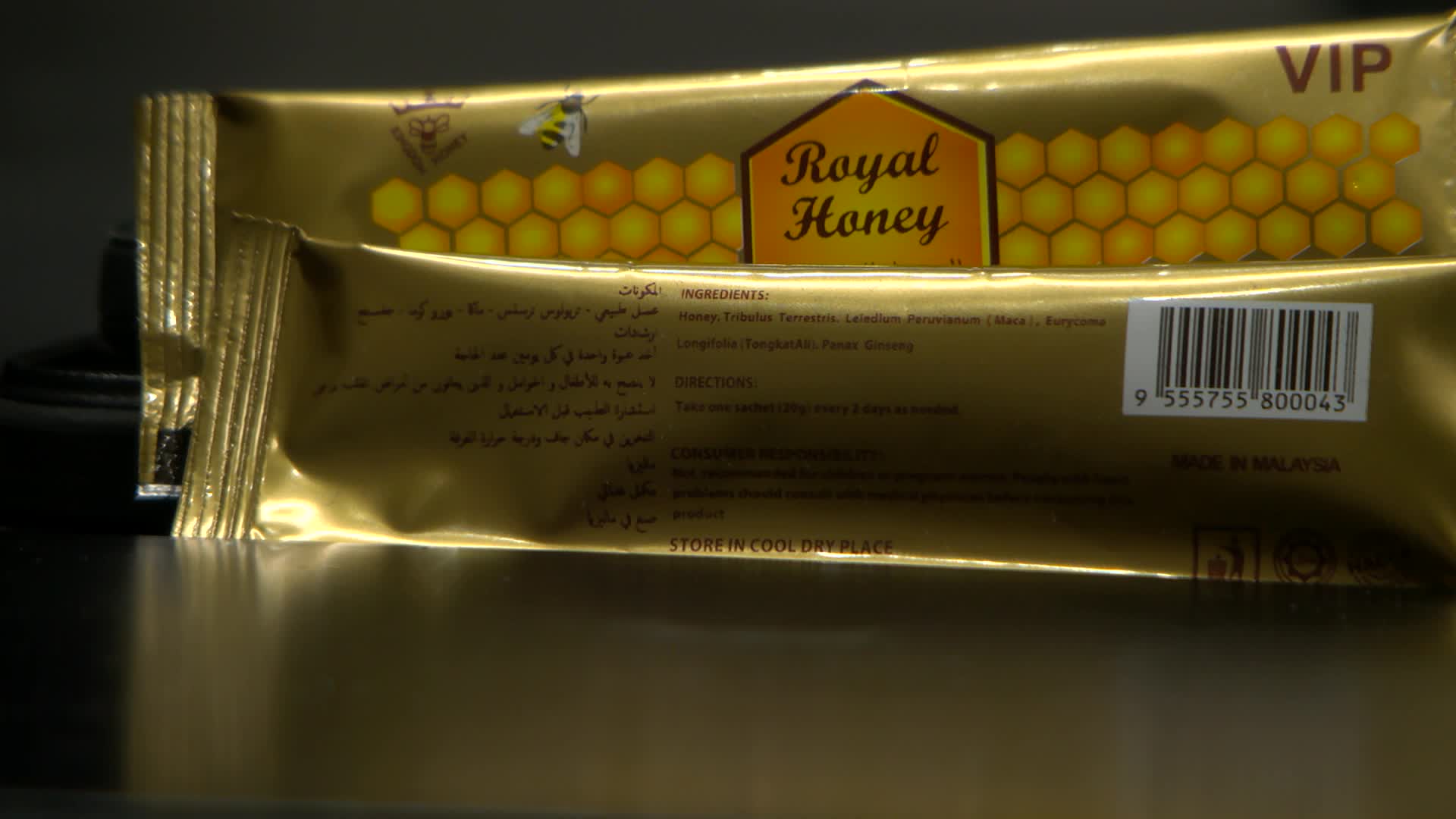
Honey supplements have flooded global markets, but many contain hidden ingredients that create serious health problems. Customers who buy vip royal honey packs depend on verification systems to expose contamination and fake formulations. Third-party testing shows whether products match their labels. Certification programs set basic safety rules. These protective steps separate real manufacturers from companies that add dangerous substances or run dirty production facilities.
Laboratory verification standards
Testing facilities use advanced equipment to find adulterants in honey supplements. Gas chromatography spots synthetic compounds added to boost effects. Mass spectrometry catches heavy metal contamination from cheap processing equipment. These methods detect prescription drugs that manufacturers secretly mix into their formulas. Accredited labs follow set protocols that deliver consistent results every time. Sample preparation stops false positives while keeping evidence of harmful substances intact. Regular testing matters because some manufacturers change their formulas between inspections to dodge detection systems. Continuous monitoring catches these shifts before tainted products reach store shelves.
Regulatory compliance requirements
Government agencies create mandatory rules for supplement manufacturing and sales. GMP certification proves that facilities keep clean conditions during production. Inspectors check raw material sources, equipment cleaning methods, and worker training records during surprise visits. Paper trails track every ingredient from supplier to final product. Batch numbers link specific packages to production dates and ingredient shipments. Fast recalls become possible when contamination appears, stopping consumers from using tainted products for long periods. Proper documentation also helps authorities identify which suppliers provided bad ingredients.
Third-party seal programs
Independent groups surprise inspections at manufacturing sites to check compliance claims:
- Ingredient verification – Lab workers compare real contents against label claims, measuring active compound levels and finding unlisted additives
- Contamination screening – Tests find pesticide leftovers, harmful bacteria, and toxic metals that build up during bad storage
- Potency validation – Labs measure whether products contain useful amounts of beneficial compounds or watered-down versions that barely work
These programs share results with everyone. Public reports create pressure that stops dishonest practices. Certification marks on packages tell buyers that products have passed tough checks.
Manufacturing safety protocols
Production sites need special environments that block contamination during processing. Air filters remove tiny particles that bring in bacteria. Temperature controls keep ingredients stable and stop breakdown that forms harmful chemicals. Cleaning equipment between production runs stops cross-contamination when facilities make multiple product types. Staff follow strict cleanliness rules, including protective clothing and handwashing steps. Quality checks at each stage catch bad batches before trucks deliver them to stores. Random sampling throughout production catches problems early.
Consumer protection measures
Testing programs expose common tricks that harm public health:
- Hidden pharmaceuticals – Many honey supplements contain sildenafil or similar drugs mixed in without warning, creating dangerous reactions for people taking nitrate medications
- Bacterial hazards – Poor sterilisation lets bacteria grow in products, causing infections in people with weak immune systems
- Heavy metal buildup – Lead, arsenic, and mercury leak from dirty equipment or raw materials, damaging the nervous system through repeated use over months
Public databases collect test results that expose repeat violators and alert consumers about problem brands. These open systems push markets toward manufacturers who value safety over quick profits. Warning lists help buyers avoid dangerous products before purchase.
Certification programs and lab testing block unsafe honey supplements from reaching buyers. Independent checks expose fake claims and contamination that companies hide through clever marketing. Rules combined with outside audits build systems that guard public health. Buyers feel safer knowing products went through tough reviews before hitting shelves, cutting risks from unverified supplements.