
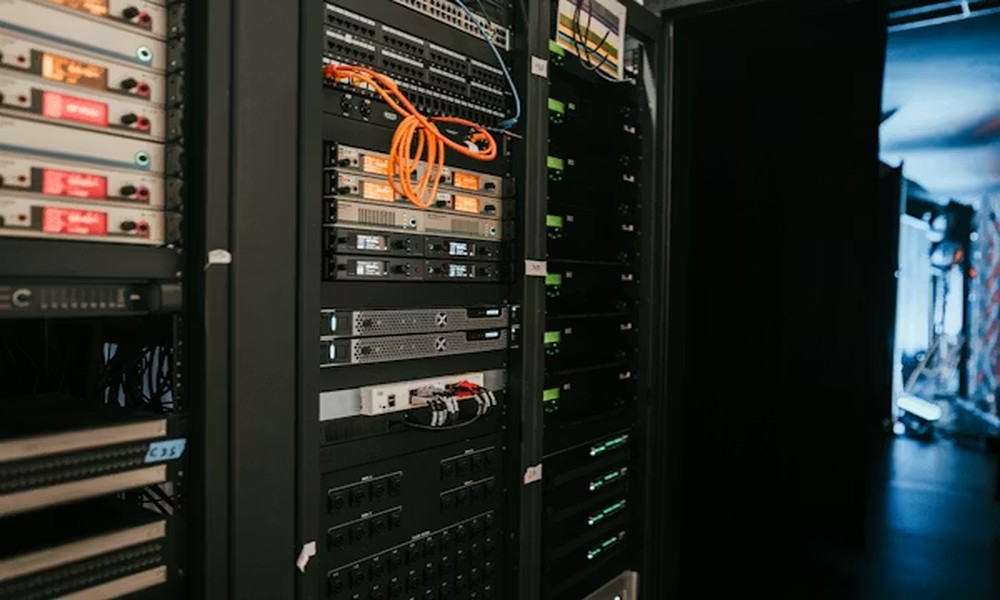
Selecting a data center is a high-stakes decision that directly affects operational continuity, cybersecurity posture, scalability, and long-term cost control.
Whether supporting enterprise applications, cloud deployments, or mission-critical workloads, the facility you choose must align with both current demands and future growth objectives. A disciplined evaluation process ensures your infrastructure remains resilient, secure, and efficient.
Define Your Operational Requirements
Before comparing facilities, clarify your technical and business requirements. Consider power density needs, rack space, bandwidth demands, compliance obligations, and expected growth over the next five to ten years.
Assess whether you require colocation services, a private suite, or a fully managed solution. Clear internal planning prevents selecting a facility that either underperforms or significantly exceeds operational needs.
Evaluate Reliability and Uptime Standards
Uptime performance is one of the most critical selection criteria. Review the data center’s redundancy architecture, including power feeds, backup generators, uninterruptible power supplies, and cooling systems.
Facilities are often categorized by Tier classifications, which reflect levels of redundancy and fault tolerance. Higher-tier environments provide greater resilience but may involve higher costs. Request documented uptime records and maintenance policies to confirm reliability claims.
Assess Power Infrastructure and Redundancy
Reliable electrical infrastructure is the backbone of any data center. Investigate:
• Dual power feeds
• Redundant UPS systems
• On-site fuel storage capacity
• Generator testing frequency
• Power distribution configuration (N, N+1, 2N, etc.)
Understanding redundancy architecture ensures your equipment remains operational even during grid disturbances or component failures.
Examine Cooling Systems and Environmental Controls
Data centers must maintain stable temperature and humidity levels to prevent hardware degradation. Review the facility’s cooling design, including hot and cold aisle containment, precision air conditioning units, and airflow management systems.
Efficient cooling contributes to lower failure rates and improved hardware lifespan. Ask about monitoring systems that detect temperature fluctuations in real time.
Analyze Physical Security Measures
Physical security is as important as cybersecurity. A reputable data center should implement multiple layers of protection, including:
• Perimeter fencing and surveillance cameras
• 24/7 on-site security personnel
• Biometric or multi-factor access controls
• Mantraps and secure entry points
• Restricted access to server areas
Security procedures should be documented and consistently enforced.
Verify Network Connectivity and Carrier Neutrality
Connectivity determines performance and redundancy. Evaluate the number of network carriers available within the facility and whether it is carrier-neutral. Carrier-neutral data centers allow you to select multiple providers, enhancing redundancy and competitive pricing.
Consider latency to your primary user base and cloud providers. Proximity can significantly impact performance for real-time applications.
Review Compliance and Certifications
Depending on your industry, compliance requirements may dictate your data center choice. Confirm that the facility holds relevant certifications such as ISO standards, SOC audits, PCI DSS, HIPAA readiness, or other regulatory validations.
Certification demonstrates adherence to recognized security, operational, and management standards.
Consider Geographic Location and Risk Profile
Location affects both performance and risk exposure. Evaluate proximity to your operations, natural disaster risks, power grid stability, and political environment.
Geographic diversity may also be necessary for disaster recovery strategies. Selecting a secondary site in a separate region enhances business continuity planning.
Assess Scalability and Future Expansion
Your data center partner should accommodate growth without requiring relocation. Confirm availability of additional rack space, power capacity, and bandwidth scalability.
Flexible contract structures allow you to expand as your organization evolves without incurring excessive penalties.
Review Service Level Agreements
A comprehensive Service Level Agreement (SLA) clarifies performance guarantees, response times, maintenance windows, and compensation policies in case of service disruptions.
Examine SLA terms carefully to ensure they align with your uptime and support expectations.