
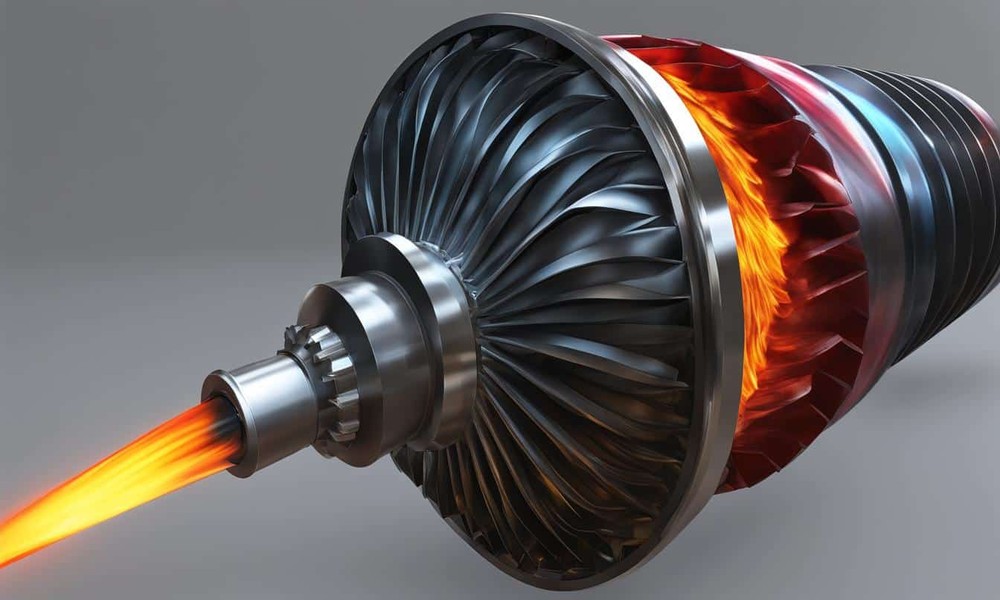
Petrochemical manufacturing, electricity generation, and other high-demand industries. These rely heavily on industrial turbines.
The nozzle, which precisely sprays fuel into the place of combustion, is a GT’s most important part. These may become worn out, clogged, or damaged over time. Thus, it could have an impact on the overall dependability, emissions, and efficiency of the GT.
To sustain optimal performance and avoid expensive downtime. Operators must have a thorough understanding of turbine nozzle repair and maintenance. Including typical faults that require it, inspection techniques, and cost concerns.
The Role of Fuel Nozzles
Oil must be atomized and distributed evenly throughout the burning chamber. Consistent energy output, efficient burning, and lower emissions are the results of proper atomization.
Any malfunction can interfere with combustion. This results in irregular flame patterns. Also, higher oil consumption and possible harm to downstream components.
A broken nozzle may have an impact on:
- Oil economy and turbine efficiency.
- Emissions and adherence to regulations.
- Operational safety and flame stability.
- The durability of vital parts.
- Restoration is an essential component of maintenance routines because of these factors.
Common Issues
Extreme operating conditions are experienced. Including pressures, high temperatures, and chemical exposure. Because of this, they are vulnerable to some problems that require expert restoration. Typical issues consist of:
- Erosion and Wear
Surfaces can be eroded by constant exposure to combustion gases and high-velocity fuel. This wear can affect turbine performance, change spray patterns, and jeopardize oil distribution.
- Structural Damage and Cracks
Cracks in the body or tip can result from mechanical and thermal stress. In addition to decreasing nozzle effectiveness. Cracks can cause flame instability, which is dangerous.
- Deposits and Clogging
Soot, carbon deposits, and other impurities can build up and obstruct flow. Reduced atomization quality from clogging results in inefficient combustion and increased oil consumption.
Read from https://www2.lbl.gov/Science-Articles/Archive/sb-Apr-04-ESD-carbon-sequestration.html for your awareness.
- Deformation or Misalignment
Vibration and mechanical force can cause tips to bend or distort. Spray patterns are impacted by misalignment. This can also result in uneven combustion, hotspots, and turbine component failure.
- Corrosion
High temperatures, moisture, and impurities can cause corrosion. This weakens and shortens its useful life.
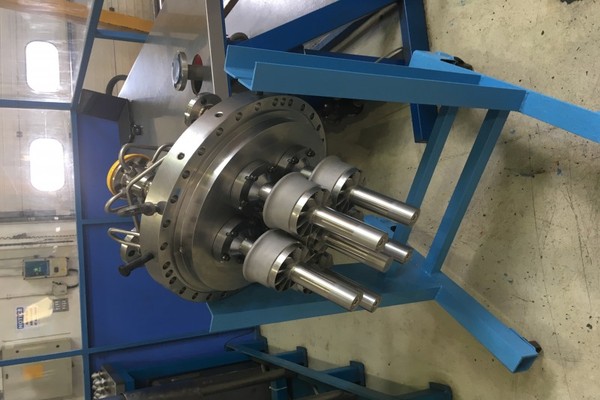
Early detection of these problems and the start of restoration. These stop minor faults from developing into significant failures.
Inspection Methods
To determine the kind and degree of damage, a professional starts with thorough inspections. Important techniques for examination consist of:
- Visual Examination
Visible indicators of corrosion, wear, deformation, or cracks can be found with a thorough visual inspection. When identifying problems, this phase is frequently the first form of defense.
- NDT, or non-destructive testing
Without causing any harm, NDT procedures enable specialists to find concealed flaws. Typical NDT techniques consist of the following:
- Internal cavities or cracks can be found via ultrasonic testing.
- Surface and near-surface flaws are found via eddy current testing.
- Ferromagnetic components’ surface fractures are highlighted by magnetic particle testing.
These techniques assist in identifying the required restoration strategy. They offer an accurate grasp of nozzle integrity.
- Analysis of Spray Patterns
Fuel distribution and proper atomization are ensured by testing the nozzle spray pattern. Unusual patterns point to wear, distortion, or obstructions that need to be fixed during overhaul.
- Checks for Dimensions and Tolerance
Accurate measurement instruments confirm that dimensions stay within OEM guidelines. Any deviation might need component replacement or machining.
Advanced Repair Techniques
- Cleaning and Trash Elimination
Soot, carbon deposits, and other impurities are eliminated. This is achieved by using chemical or ultrasonic cleaning solutions without causing any harm to the surfaces. Fuel flow is restored, and spray uniformity is enhanced with proper cleaning – look at this to learn more.
- Accurate Machining
Components that are worn out or distorted are machined back to their original spray geometry and dimensions. By ensuring precision and consistency, CNC machining preserves functionality.
- Material Restoration and Welding
Material deposition or high-precision welding can be used to repair structural damage, worn surfaces, and cracks. Professionals fix the component’s integrity and strength.
- Surface Treatment and Coating
Protective coatings prevent corrosion, erosion, and deterioration at high temperatures. These coatings prolong life and improve durability.
- Calibration and Reassembly
They are calibrated and reassembled following reparation. This is to guarantee proper atomization and spray patterns. Thus, restoring maximum combustion efficiency.
Best Practices for Maintenance
- Regular Inspections: To identify wear or obstructions early, schedule routine inspections.
- Monitoring Performance: Keep an eye out for early signs of problems. This is achieved by tracking emissions, fuel consumption, and flame stability.
- Preventive Cleaning: Consistent fuel flow and buildup prevention are achieved through routine cleaning.
- Lifetime Management: To maximize operational effectiveness. Incorporate maintenance into a larger lifetime management strategy.
- Certified Repair Providers: Use expert services with cutting-edge tools, OEM-compliant processes, and experience.
Benefits of Hiring Professionals
- Improved Efficiency: Refurbished components guarantee the best possible oil consumption and combustion.
- Extended Life: Units that operate correctly lessen the strain on blades and combustion chambers.
- Increased Safety: Repairs stop mechanical failures, hotspots, and flame instability.
- Decreased Downtime: By preventing unscheduled shutdowns, prompt repair lowers operating expenses.
- Cost Savings: Repairs are typically less expensive than replacements. They also save on oil loss and further damage.