
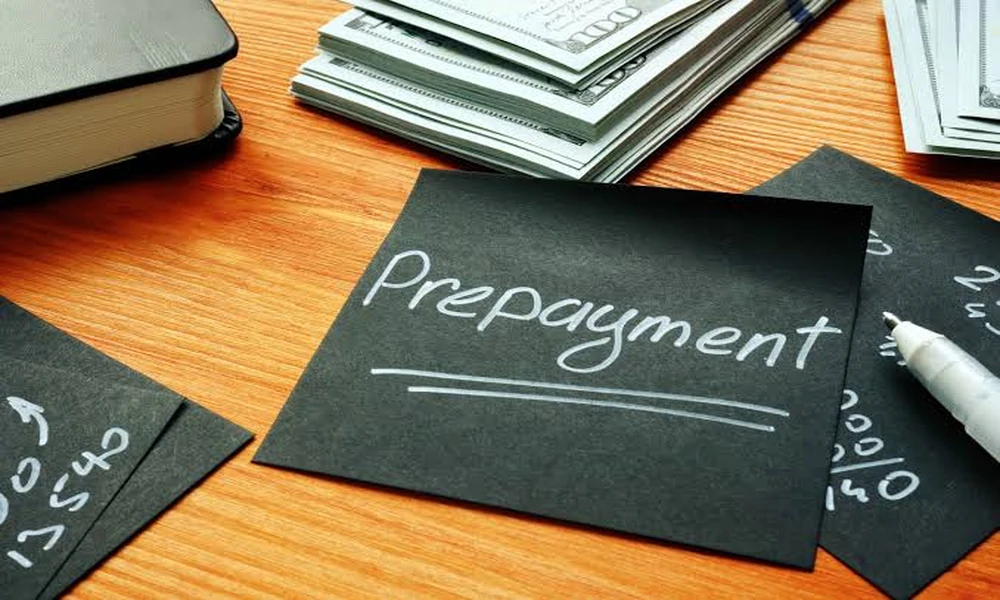
Paying off a loan does not always have to wait until the final EMI. Some borrowers choose to repay a portion of their outstanding principal before the scheduled repayment period ends. This is known as part-prepayment, and it can help reduce future interest costs when the loan terms allow it.
However, making an additional payment is not always the best financial decision. Charges, remaining tenure, interest rates, and available savings can all affect the benefits. Understanding these factors helps borrowers decide whether part-prepayment is worth considering.
What Is Part-Prepayment?
Part-prepayment means paying an extra amount towards the outstanding principal of a loan while continuing to repay the remaining balance through regular EMIs.
For example, suppose you have an outstanding loan balance of ₹3,00,000 and make a part-prepayment of ₹50,000. If the lender applies the amount directly to your principal, the outstanding balance may reduce to ₹2,50,000, subject to any applicable charges and adjustments.
Since interest on many loans is calculated using the outstanding principal, reducing that balance can lower the interest charged in future periods.
Part-prepayment differs from full prepayment or foreclosure, where the borrower repays the entire outstanding amount before the loan’s scheduled end date.
How Does Part-Prepayment Reduce Loan Costs?
The main advantage of part-prepayment is that it reduces the principal on which future interest may be calculated. The actual savings depend on the loan’s interest rate, repayment structure, remaining tenure, and the amount prepaid.
Consider these potential effects:
- Lower interest expenses: A smaller principal balance can reduce future interest costs.
- Shorter repayment period: If the EMI remains unchanged, the lender may reduce the remaining tenure.
- Lower monthly EMI: Some lenders allow the EMI to be reduced while keeping the remaining tenure similar.
- Earlier debt repayment: Reducing the outstanding balance can help borrowers become debt-free sooner.
The most suitable option depends on your financial priorities. Reducing the tenure may provide greater interest savings in many standard amortising loans, while lowering the EMI can offer more immediate relief to your monthly budget.
What Should You Check Before Making a Part-Prepayment?
Before transferring additional money to your lender, review the loan agreement and confirm the conditions that apply to your specific loan.
1. Prepayment Charges
Some loans may have prepayment fees or restrictions, depending on the lender, loan type, interest-rate structure, and applicable regulations. Ask the lender whether any charge applies and request a written breakdown.
Compare the expected interest savings with the total cost of making the additional payment. If the fees significantly reduce the benefit, part-prepayment may not be worthwhile.
2. Minimum Prepayment Amount
Lenders may specify a minimum amount or limit how frequently borrowers can make part-prepayments. Check whether you can pay a small additional amount or need to meet a particular threshold.
3. How the Payment Will Be Adjusted
Confirm that the additional amount will be applied towards the principal rather than treated as an advance EMI. Ask whether you can choose between reducing the EMI and shortening the tenure.
Keep the lender’s confirmation and updated repayment schedule for your records.
Calculate Whether the Savings Are Worth It
A simple comparison can help you understand the potential benefit of part-prepayment.
Suppose you have extra savings available and are considering using ₹40,000 to reduce an outstanding loan. Before proceeding, compare:
- The interest you may save by reducing the principal.
- Any applicable prepayment charges and taxes.
- The emergency savings you would have left afterwards.
- The interest or returns you could reasonably earn by keeping the money elsewhere.
Do not use your entire emergency fund just to reduce a loan balance. Having accessible savings for medical expenses, job changes, or urgent repairs can be more important than saving some interest.
For an accurate estimate, ask the lender for an updated repayment schedule showing the effect of the proposed prepayment.
When Is Part-Prepayment a Good Option?
Part-prepayment may be worth considering when you have surplus funds, stable income, and sufficient emergency savings.
It may be particularly useful if:
- Your loan has a relatively high interest rate.
- You have a substantial portion of the repayment period remaining.
- The lender allows part-prepayment at a reasonable cost.
- You want to reduce your outstanding debt before taking on other financial commitments.
For example, receiving a bonus or a work-related incentive may provide an opportunity to reduce your loan balance without affecting your regular monthly budget.
However, if you have overdue essential bills, expensive credit-card debt, or insufficient emergency savings, consider addressing those priorities before making an extra loan payment.
How Part-Prepayment Compares With Other Financial Choices
Using surplus money to repay a loan is only one option. You should also consider the cost of your other debts and your short-term financial needs.
If you carry expensive revolving debt on a credit card, compare its interest cost with the interest rate on your existing loan. Paying down higher-cost debt may be a more effective use of surplus funds, provided you also account for minimum payments and any relevant terms.
Likewise, if you need to borrow for an upcoming essential expense, retaining some accessible savings may prevent you from taking another loan later.
Borrowers comparing an online loan app offer with an existing loan should examine the total borrowing cost, lender credibility, fees, and repayment conditions. Taking a new loan solely to make a part-prepayment may not create savings once the new interest and charges are considered.
Steps to Make a Part-Prepayment
Follow these steps to make the process clearer:
- Check your current outstanding principal and remaining tenure.
- Review the agreement for prepayment rules and applicable fees.
- Ask the lender to estimate the interest savings.
- Decide whether you prefer a lower EMI or a shorter tenure.
- Make the payment through an authorised channel.
- Obtain confirmation that the amount was adjusted against the principal.
- Review the revised balance and repayment schedule.
Conclusion
Part-prepayment can reduce future loan interest and may shorten the repayment period. However, the benefits depend on the outstanding balance, interest rate, remaining tenure, and any applicable charges.
Before making an additional payment, compare the potential savings with your other financial priorities and maintain enough emergency funds. A well-planned part-prepayment can help you manage debt more efficiently without putting unnecessary pressure on your monthly finances.
FAQs
1. Does part-prepayment reduce EMI?
It may reduce your EMI or shorten your tenure, depending on the lender’s terms and the option available.
2. Is part-prepayment always beneficial?
No. Fees, limited savings, and the need to maintain emergency funds can affect whether it makes financial sense.
3. Should I reduce EMI or tenure?
Reducing tenure often saves more interest, while reducing EMI may improve monthly cash flow.