
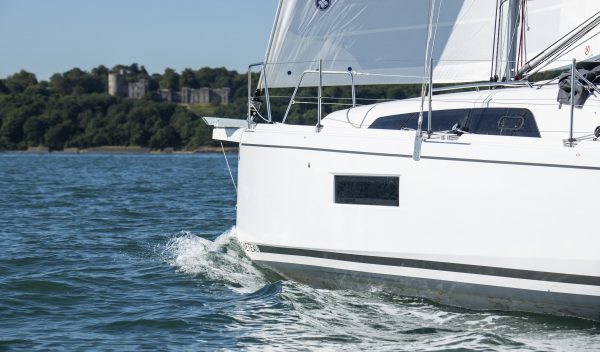
Boat removal pricing fluctuates dramatically based on vessel dimensions and geographic factors affecting project complexity. Small dinghies cost hundreds while large yachts require thousands. Urban locations with difficult access command premium rates versus rural open areas. Distance from disposal facilities impacts transportation expenses. Local labour rates vary regionally, affecting service costs. Permit fees vary according to jurisdiction. Prices for equipment rental vary by market. A detailed understanding of the project and an assessment of the site are essential for reliable cost estimates.
Geographic location factors
Urban settings involve higher labour costs reflecting regional wage standards. Demand and operating expenses drive equipment rental prices in metropolitan areas. Rural locations may offer lower base rates, but add transportation charges. boat removal in Boston MA, reflects northeastern pricing typically exceeding rates in southern or midwestern regions due to cost of living differences and regulatory requirements. Waterfront properties incur additional charges when water access complicates extraction. Island locations multiply costs through barge transportation needs. Restricted access neighbourhoods require smaller equipment, taking longer and increasing labour hours.
Size impact on pricing
Vessel length, width, and weight determine equipment requirements and driving cost differences. Small boats under 20 feet often get handled with standard equipment available at lower rental rates. Mid size vessels from 20 to 40 feet need specialized trailers and moderate capacity cranes. Large boats exceeding 40 feet require heavy lift equipment, commanding premium rental fees. Multi-hull vessels like catamarans present width challenges necessitating wider trailers and specialized rigging. Hull depth affects lifting complexity as deep keels complicate trailer loading. Weight considerations determine crane capacity, with heavier vessels requiring larger, more expensive equipment. Deteriorated large boats sometimes cost more than intact vessels due to dismantling requirements.
Access difficulty premiums
Easy access with direct road connections to vessel locations minimizes equipment needs and labor time. Specialized equipment and careful maneuvering are needed for narrow paths, soft ground, or steep slopes. Power lines and tree branches limit crane positioning options. Tight urban lots prevent large equipment positioning, forcing manual dismantling. Locked marina gates or private property access issues delay projects while securing permissions:
- Backyard boat removals requiring fence removal and replacement add costs
- Hillside locations need winch systems and ground anchoring equipment
- Mud or sand access demands ground stabilization mats
- Multi-story property access through buildings or structures increases complexity
- Tidal access windows limit working hours, extending project duration
Distance to disposal facilities
Transport mileage directly affects fuel costs and driver time charges. Local disposal within 20 miles incurs minimal transportation fees. Regional hauls from 50 to 100 miles add moderate charges. Long-distance transport exceeding 100 miles substantially increases costs through fuel, tolls, and extended driver hours. Specialized boat recycling facilities might sit farther than general landfills creating tradeoffs between disposal quality and transportation expenses. Multiple trips for dismantled vessels multiply per trip charges. Return travel for equipment adds to the total distance calculations. Cost variation reflects genuine project differences rather than arbitrary pricing, making detailed site-specific quotes essential for accurate budgeting and preventing surprise expenses. The owner specialised during the removal execution.