
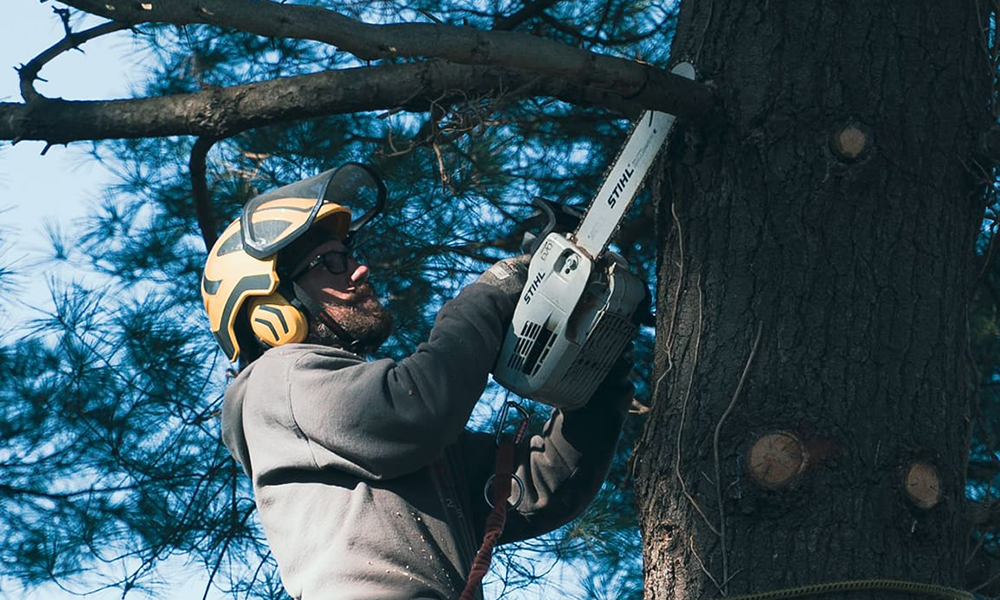
Routine landscape maintenance includes trimming as an essential work that keeps properties looking good and trees healthy. Regular trimming stops problems from turning into expensive emergencies down the road. tree trimming fits into scheduled maintenance cycles just like lawn care, checking irrigation systems, and putting in seasonal plantings that keep landscapes looking their best.
Property value maintenance
Trees that get regular care add real value to properties through better curb appeal and overall looks. Trees allowed to grow wild with messy canopies make properties look neglected, which turns off potential buyers and visitors. Regular trimming keeps trees in attractive shapes that work with how houses look and landscape designs, instead of taking over with too much growth.
Trimming a tree indicates that the property owner cares about its condition instead of letting it fall apart. Landscaping quality is taken into account by real estate assessors when determining property value, and overgrown canopies, dead branches, and crossed limbs reduce property value. Putting off maintenance for years results in these value benefits slowly disappearing. Communities often have tree control standards to prevent them from growing on neighbouring properties. Regular trimming ensures that homeowner associations follow tree maintenance rules without getting violation notices or paying fines for allowing growth to get out of control.
Health and growth control
Trimming on a regular schedule takes out diseased or damaged wood before infections move through the whole tree structures and wreck overall health. Dead branches become homes for fungi and bugs that eventually go after healthy parts if they stay there too long. Taking out these trouble spots during regular maintenance cuts off disease spread early when trees can still bounce back through their own defences. Growth gets controlled through careful trimming that pushes energy into branches you want instead of letting trees burn resources making too much foliage.
Thick canopies where branches overlap waste energy on inside growth that doesn’t get enough light for making food, while creating damp spots where diseases thrive. Thinning cuts during regular maintenance get air moving and light reaching through canopies, so the foliage that stays can actually work right. Training young trees through regular trimming builds strong branch setups that last through their whole lives and stops structural troubles that come from bad early growth. Fixing problems during early years costs way less than trying to fix the structure on full-grown trees, where big cuts make large wounds and stress trees out.
Safety hazard prevention
Regular trimming removes dangerous branches before storms break them, causing damage or injuries. Dead limbs, cracks, and weak attachments get fixed during maintenance visits before they become weather emergencies. Clearance maintenance keeps branches away from buildings, power lines, and structures where contact creates hazards. Trees grow continuously, and branches that cleared structures years ago gradually reach problem zones without intervention. Ongoing trimming keeps walkways, driveways, and sight lines accessible as lower branches descend and side growth extends, blocking movement or views.
Tree trimming stays part of routine landscape maintenance because it keeps property values up through consistent looks, keeps trees healthy by managing growth and taking out disease sources, and stops safety problems through regular checking of branches and managing clearances.