
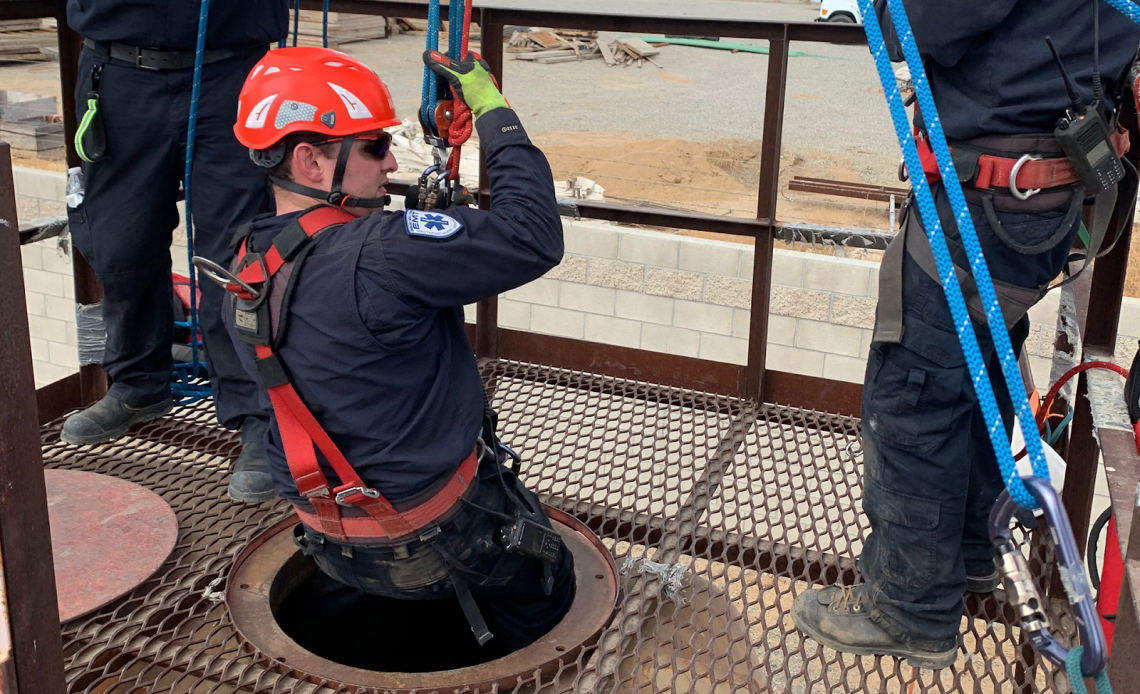
In many workplaces, especially in industries like construction, manufacturing, and utilities, employees often face the risks associated with confined spaces. These are areas that are not designed for continuous occupancy and may have limited entry or exit points, such as tanks, tunnels, or storage silos. Working in these environments can be extremely dangerous due to hazards like poor ventilation, toxic gases, and limited mobility. That’s why confined space rescue training is essential for safety. This type of training ensures that teams are prepared to handle emergencies quickly and effectively, saving lives and reducing the risk of serious injuries.
Understanding Confined Space Risks
Confined spaces can pose unique dangers that are not found in regular work areas. The risks can include oxygen deficiency, exposure to harmful chemicals, and the potential for physical entrapment. Workers may also face challenges like reduced visibility and limited room to maneuver, which can complicate rescue efforts. By participating in confined space rescue training, teams learn to identify these hazards before entering such spaces. The training emphasizes the importance of hazard assessment and careful planning, ensuring that all necessary precautions are in place before work begins.
The Role of Confined Space Rescue Training
Confined space rescue training equips workers and emergency response teams with the skills they need to respond effectively to incidents in confined areas. This training covers both preventive measures and emergency procedures. Teams are taught how to use specialized equipment, such as breathing apparatus, harnesses, and communication devices, to perform rescues safely. The training also focuses on teamwork and coordination, as rescues in confined spaces often require multiple responders working together efficiently under pressure. By practicing these skills in realistic simulations, teams gain confidence and experience that can be critical in real-life emergencies.
Practical Skills Learned in Training
One of the key benefits of confined space rescue training is the hands-on experience it provides. Trainees practice entering and exiting confined spaces safely, navigating obstacles, and performing rescues in controlled scenarios. They learn how to assess a victim’s condition, provide first aid, and safely remove them from hazardous environments. The training also emphasizes the importance of communication, both within the team and with external emergency services. By developing these practical skills, teams are better prepared to act quickly and effectively when a real emergency occurs, minimizing potential harm.
Emergency Planning and Risk Management
Another crucial aspect of confined space rescue training is teaching teams how to plan for emergencies. This includes understanding potential hazards, creating rescue plans, and ensuring that appropriate equipment is available and functional. Training also covers procedures for monitoring air quality and recognizing early signs of danger, which can prevent accidents before they happen. By focusing on both prevention and response, teams are equipped to manage confined space risks in a proactive and organized manner, rather than reacting in a chaotic or unprepared way.
Building Confidence and Team Coordination
Confined space rescue situations can be stressful and dangerous, requiring calm and coordinated action. Training helps team members develop confidence in their abilities and trust in each other’s skills. Through realistic exercises, responders learn to remain composed under pressure and make informed decisions quickly. Team coordination becomes second nature, which is essential in emergency situations where every second counts. This confidence and cohesion can make the difference between a successful rescue and a tragic outcome.
Conclusion
Confined space rescue training is a vital component of workplace safety for industries where employees may face hazardous environments. It not only teaches teams how to handle emergencies effectively but also emphasizes prevention, planning, and risk management. By equipping responders with practical skills, knowledge, and confidence, this training ensures that they can act decisively in critical situations. Investing in confined space rescue training ultimately protects lives, reduces injuries, and strengthens overall workplace safety, making it an essential practice for any organization that deals with confined spaces.